
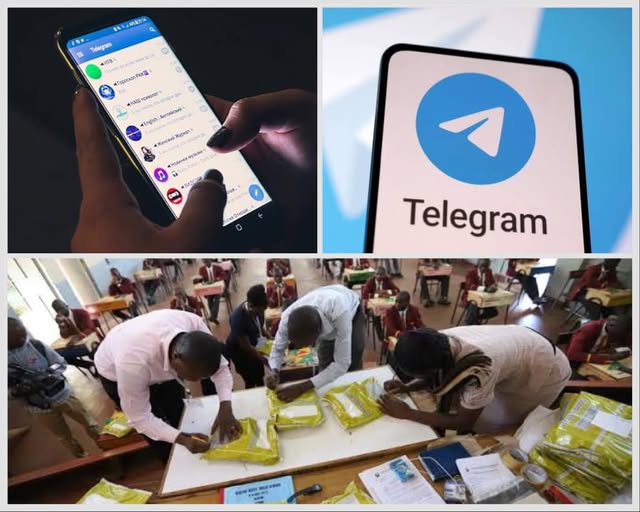
The government has restricted access to Telegram as the 2025 Kenya Certificate of Secondary Education (KCSE) examinations officially kicked off on Monday.
According to a report by global internet watchdog NetBlocks, the timing of the restriction coincides with the start of the exams and appears to follow a consistent pattern of digital control during national assessment periods.
“Confirmed: Metrics show that messaging app Telegram has been restricted in Kenya as KCSE school exams are held,” NetBlocks stated
The move is believed to be part of broader efforts to curb exam malpractices.
Telegram has previously come under scrutiny for allegedly facilitating the sale and distribution of leaked exam papers.
Several reports have detailed how unscrupulous individuals used Telegram groups to share or sell fake exam materials to desperate students, teachers, and parents.
In one past incident, fraudsters reportedly charged Ksh3,500 for a single paper, while “VIP access” packages that promised access to all papers cost upwards of Ksh18,000. Many victims were later defrauded, with no legitimate exam materials ever delivered.
The Telegram restriction comes days after the government announced enhanced 24-hour surveillance on social media platforms to prevent exam leaks and online fraud.
Interior Principal Secretary Raymond Omollo recently announced that a multi-agency team had been formed to monitor and respond to any digital activities aimed at compromising the integrity of national examinations.
The Kenya National Examinations Council (KNEC) had earlier warned that exam malpractice were increasingly turning to platforms like WhatsApp and Telegram to circulate unauthorized materials.
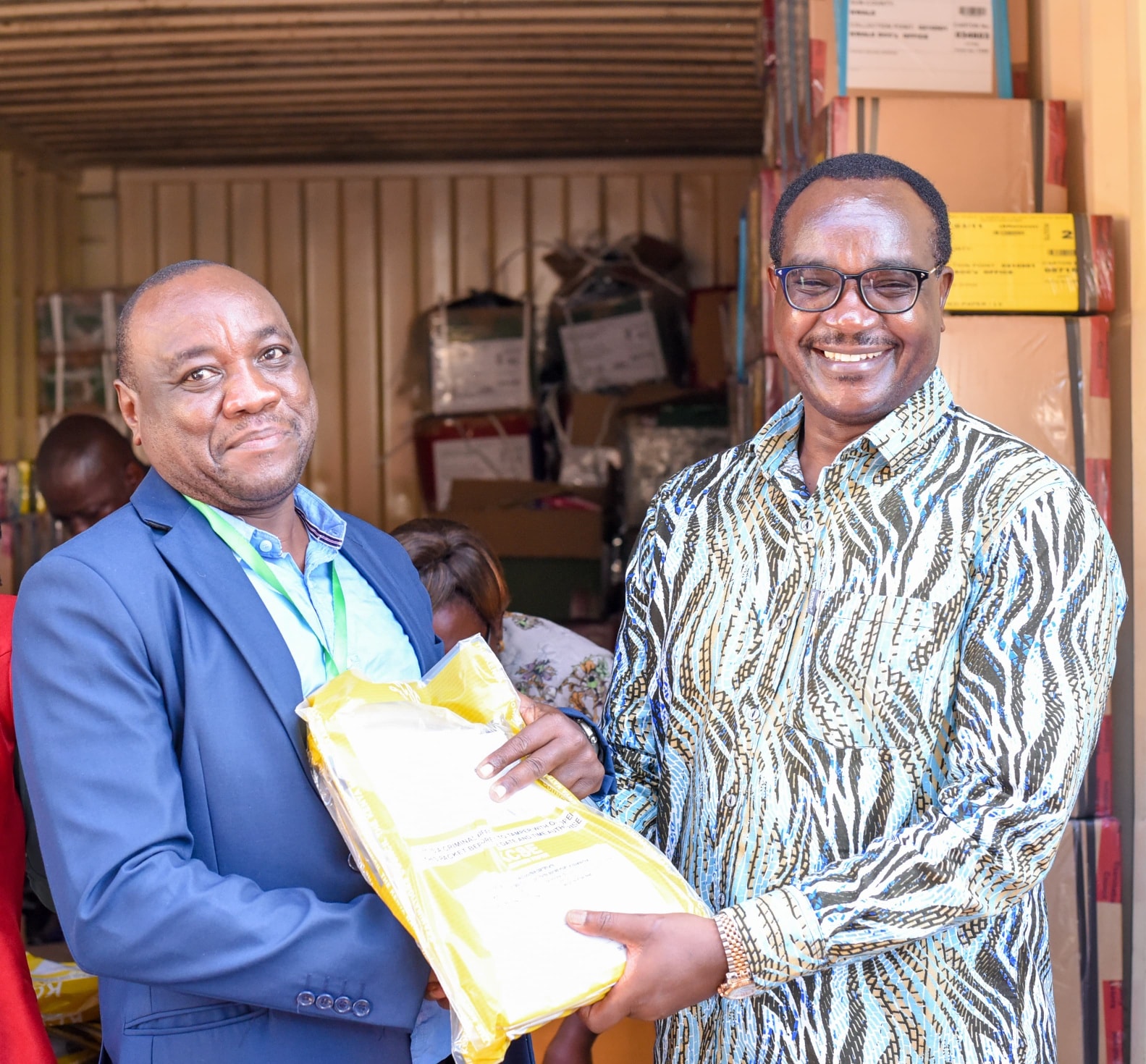
As part of new security measures introduced this year, KNEC has rolled out personalised examination papers for each KCSE candidate to enhance accountability and prevent leaks.
The examination council also confirmed that it would continue the double collection system, where second-session papers are released shortly before each sitting to minimise exposure.
A total of 996,078 candidates are sitting the KCSE examinations this year, which will run for three weeks.